Our unprecedented climate
EUMETSAT data make an important contribution to the Copernicus programme’s efforts to monitor climate change
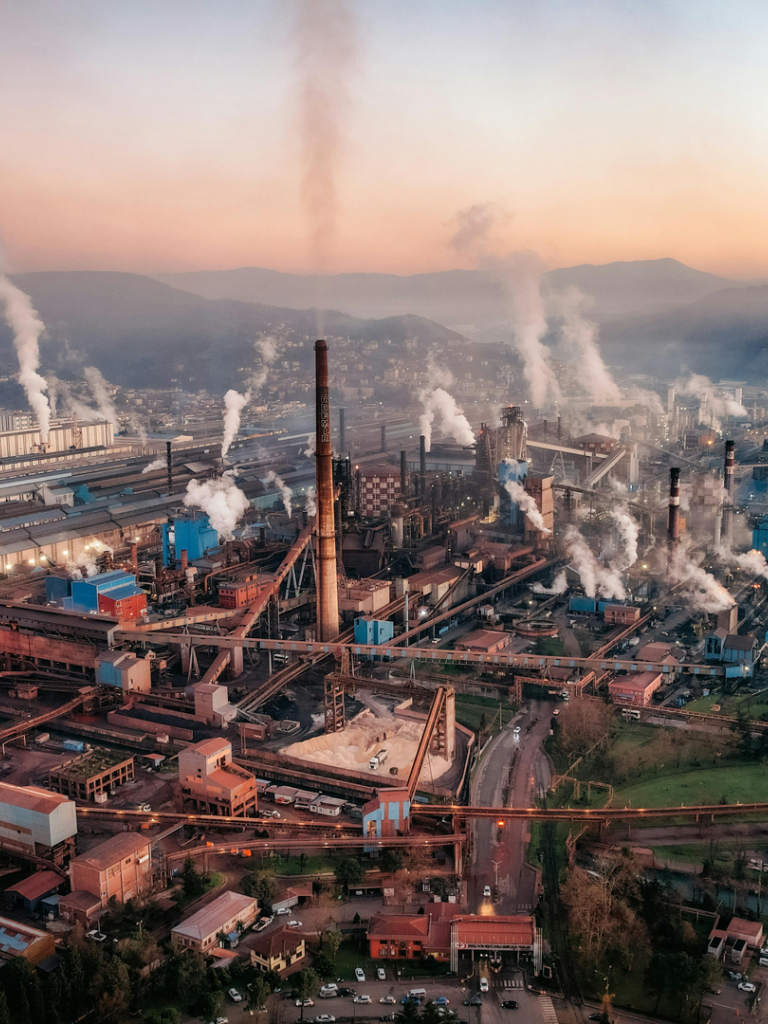
Dr Carlo Buontempo, Director of the Copernicus Climate Change Service, implemented by the European Centre for Medium-Range Weather Forecasts, highlights how EUMETSAT data contribute to characterising essential climate variables, filling in the gaps in the climate record through reanalyses, and more.

Credit: ECMWF
“The European State of the Climate report gives us an opportunity to provide a yearly snapshot of the state of the global climate that is relevant for the public discourse on climate and for the policymakers,” said Dr Carlo Buontempo, Director of the Copernicus Climate Change Service.
“Measuring sea level from satellites, for example, is quite challenging. Then, once you measure it and you have that time series available, it takes a lot of work to transform that piece of information into something that is relevant to public discourse.
“So, having an event like the launch of the European State of the Climate report where you have on average 150 journalists and media outlets coming from all over the globe to listen to the status of key climate variables and writing articles – as well as the policy brief to the European Commission – is an impressive example of how all the Copernicus investments made in the satellites, in the ground segments, in the observations actually pay off. These are ways of reaching out to the key communities as well as the general public to make sense of what is happening with the climate.”
High-value data
The Copernicus Climate Change Service makes its data available to users through the Climate Data Store, a system through which users can access a range of climate data online for free. One key component is data relating to essential climate variables, a collection of 55 variables relating to the ocean, atmosphere, and land. When considered together, these variables can be used to describe the state of the climate throughout the whole Earth system.
“Through the Climate Data Store, we provide access to a comprehensive climate data record,” said Buontempo. “This data record goes as far back in time as possible, minimises and documents jumps or inconsistencies, and has the maximum possible accuracy. We try to get inputs for this climate record from all sorts of providers. A significant fraction of the data come from EUMETSAT, particularly from the Copernicus programme and the Satellite Application Facilities (SAFs), with others coming from the European Space Agency, universities, and research institutions.
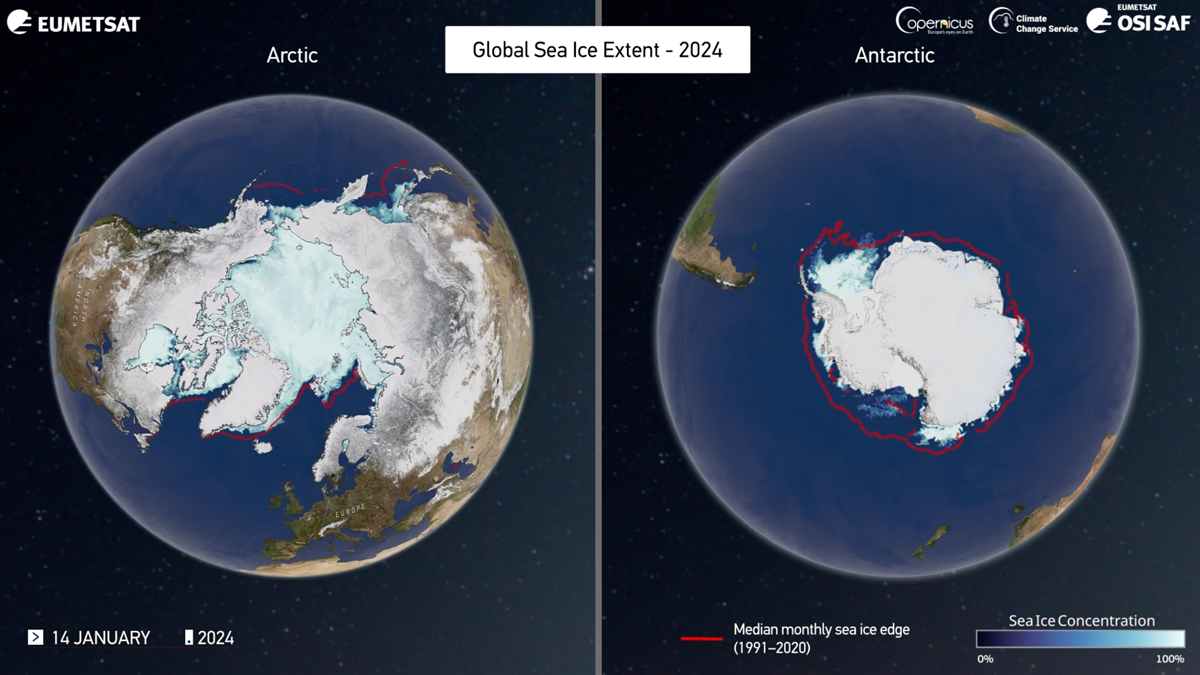
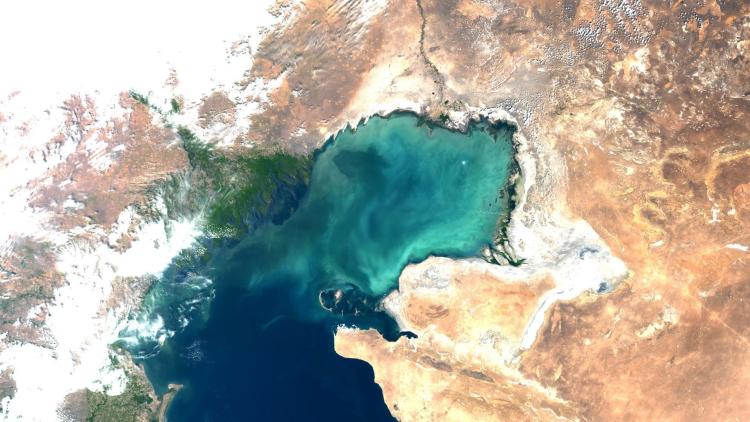
Credit: OSI SAF and the Copernicus Climate Change Service
“We have an agreement with EUMETSAT to broker some data generated by the SAFs so that the users of the Climate Change Service can access such high-quality information coming from the SAFs directly through our platforms. In addition, through the Copernicus Agreement between ECMWF and EUMETSAT, we provide a variety of climate data records. So, the connection with EUMETSAT is really important to us.”
Through the Climate Data Store, the nearly 250,000 direct users of the Copernicus Climate Change Service can access a range of observations. This includes data on soil moisture, a key variable that affects vegetation growth, in turn impacting how much carbon is stored in plants or released into the atmosphere, water levels in lakes, areas burned by wildfires, and much more.
These open and free data benefit not only policymakers, governments, and institutions in the European Union and worldwide, but a wide international community who accesses them including scientists, business, and industry.
Maps without gaps
The Copernicus Climate Change Service, implemented by ECMWF, also provides users with a comprehensive picture of the past climate through climate reanalyses. Current climate observations come from a wide range of sources including weather balloons, tide gauges, meteorological measurement stations, and many different satellite instruments that observe features of the atmosphere, land, ocean, and cryosphere. Together, these measurements provide a comprehensive view of the climate across the Earth. But these range of tools were not always available, so the further one looks back in the climate record, the spottier the data are.
“There are a lot of causes of these gaps – maybe a cloud was blocking a sensor, or the sensor changed, was not available for a period of time or might not have even been there in the first place,” said Buontempo.
Climate reanalyses fill in these gaps in the past climate record in part by using current techniques.
“By adapting the tools of Numerical Weather Prediction to work on climate timescales, ECMWF is able to generate continuous and global time series back to the mid-20th century for many essential climate variables,” said Buontempo. "EUMETSAT is a unique companion in this adventure, bringing outstanding expertise in satellite data reprocessing. Because reanalysis systems are, by nature, hungry for observational data, the more high-quality data you can feed them, the better.”
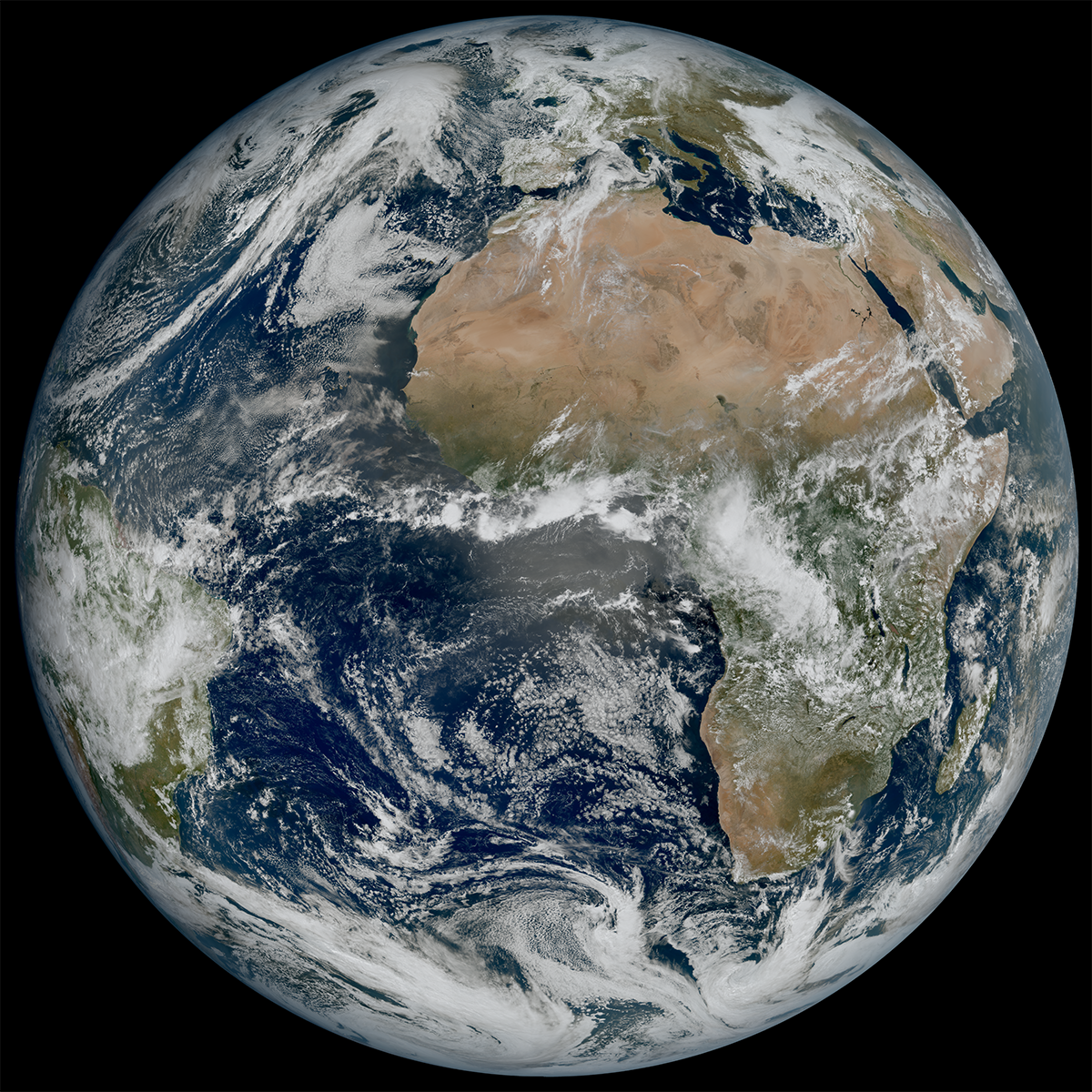
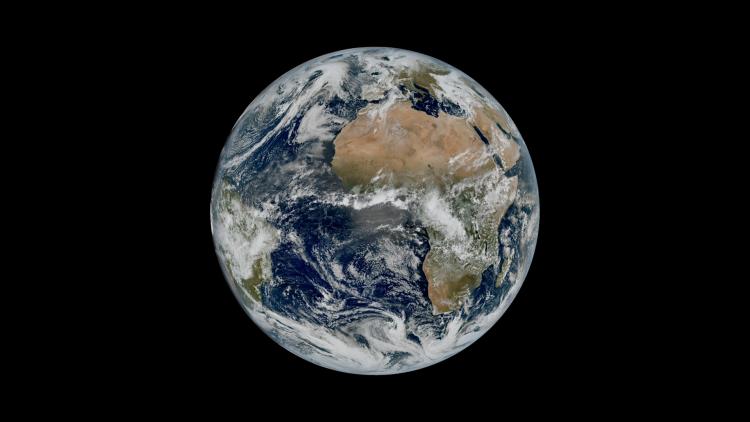
Credit: EUMETSAT/ESA
Another way climate reanalysis fills in gaps in previous datasets is by including data that arrived too late to be useful for a forecast.
“For instance, stations on the Greenland plateau are not all connected to the international network where data is exchanged,” said Buontempo. “So, they typically arrive with a two- or three-month delay, which means you cannot use them to make a prediction. But they can be used to characterise the climate of that moment better, so these are used in reanalyses.”
EUMETSAT plays a very important role in reprocessing the old data for the Copernicus Climate Change Service, which requires many different types of work, including retrieving old data, transforming them so that they make sense, calibrating and geolocating them.
“EUMETSAT did this work, which was incredibly beneficial for reanalysis,” said Buontempo. “EUMETSAT has also grown in this capacity of reprocessing to an extent that they have made data available not only from European satellites, but also from sensors from other nations, as well as maritime missions. There really is a global effort toward climate reanalyses, and EUMETSAT is clearly one of the leading players.”
A new approach to climate information needed
As climate change causes extreme weather events to become more frequent and intense, the efforts of the Copernicus Climate Change Service are increasingly important.
“Climate used to be a bit of a boring world of statistics and geeky people interested in the fact that in a particular location, a certain specific record was broken,” said Buontempo. “But the climate now is so important for the future of our society that is essential that we make the information we have more readily available.
“For example, if you look at the temperature of the ocean over the past three years, it is the warmest that it has ever been over the past 100,000 years. So, there is no precedent in our personal memory, in our historical memory, and in our memory as a species on this planet. This condition has never been seen before.
“This calls for a new approach to climate information. And that new approach needs to be based on high-quality data. But it can only be based on high-quality data if they are available readily to society and if there is an engagement programme to let those data speak.”
Author:
Sarah Puschmann