


Meteosat Third Generation - Imager
Facts and figures
Rapid imagery for faster nowcasting of severe weather
25 June 2026
11 February 2026
The rapid scan service will give meteorologists the ability to detect dangerous conditions earlier and track their development in near-real time, providing observations of thunderstorms, dense fog, dust plumes, and much more.
With updated imagery every 2.5 minutes, the rapid scan service from MTG-I2 will be twice as fast as the current service provided by Meteosat-11 (MSG).
This increase in frequency and resolution, compared to Meteosat-11, will be particularly valuable for observing rapidly developing phenomena like overshooting tops on storm clouds, which can be indicators of severe weather and are currently difficult to monitor.
Nowcasting of fast-developing, high-impact weather is critical for the protection of life, property and infrastructure and for weather-sensitive sectors of the economy, in particular aviation.
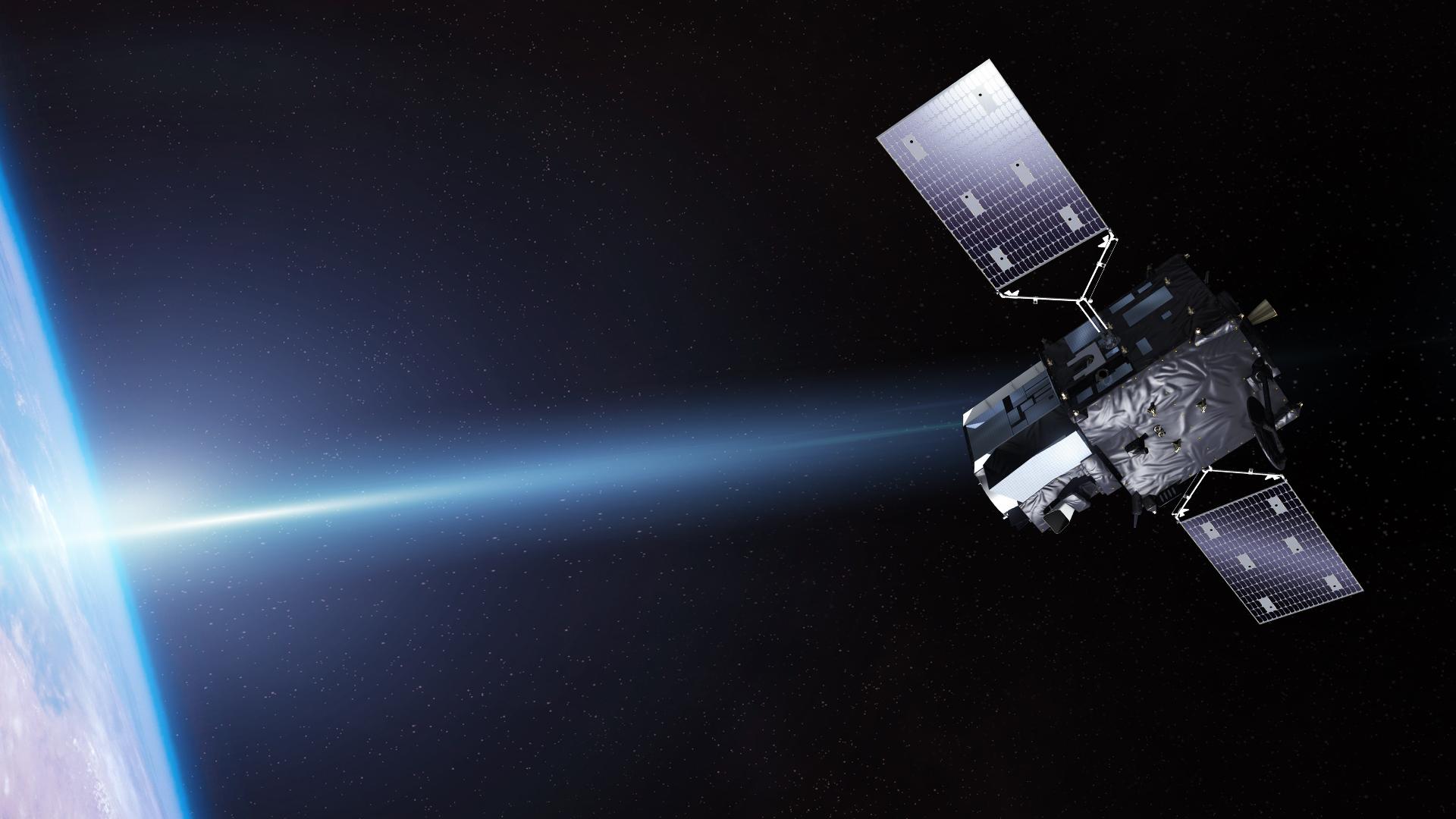
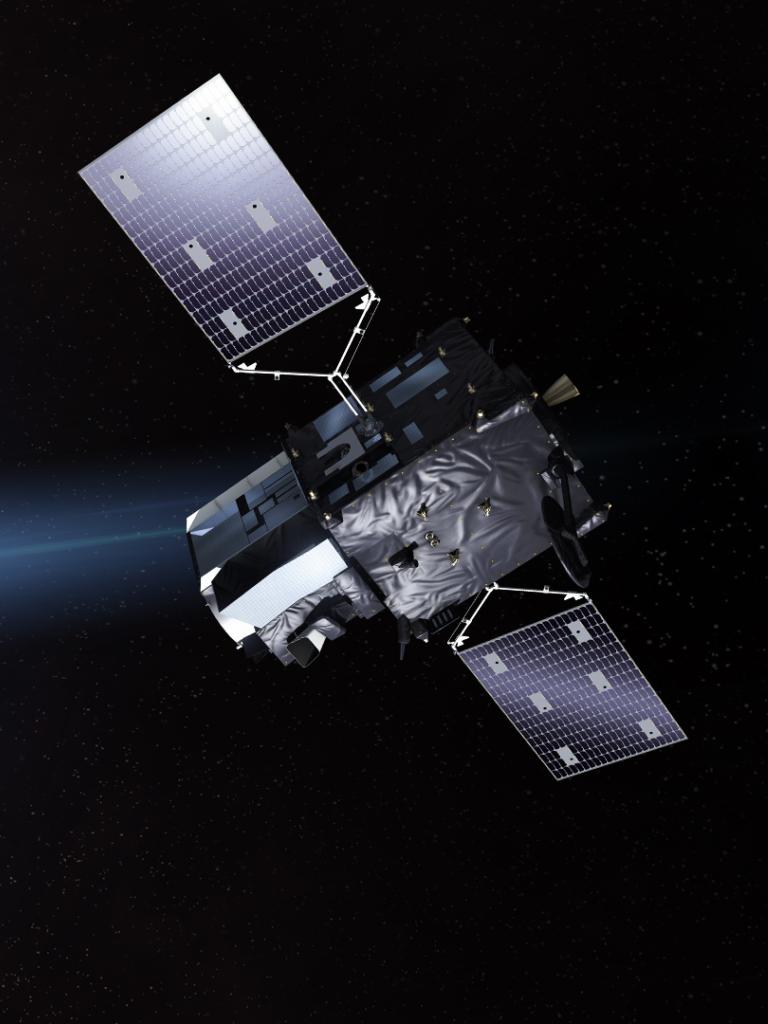
MTG-I2 is scheduled to launch in August 2026. It is the second imaging satellite of the MTG system: the first imaging satellite Meteosat-12 was launched in December 2022.
The satellite will complete the three-satellite constellation of EUMETSAT’s next-generation Meteosat geostationary satellites and will increase operational resilience as there will be two imagers in orbit.
The MTG system is the most complex and innovative geostationary weather satellite system ever built. The fully operational system will comprise the two imaging satellites (Meteosat-12 - formerly MTG-I1 - and MTG-I2) and one sounding satellite (MTG-S) in orbit 36,000km above the Earth.
MTG will enhance numerical weather prediction and nowcasting of high impact weather, such as storms.
The full system of two imaging and one sounding satellite will make it possible, for the first time, to observe the full lifecycle of a convective storm from space.
MTG-I2 is an outstanding technological achievement that was developed and built in Europe. The satellite was procured by ESA through European industry, fulfilling the requirements established by EUMETSAT in consultation with the meteorological services in its member states.
The satellite will be operated by EUMETSAT from its headquarters in Darmstadt, Germany. EUMETSAT has also developed the entire ground segment to ensure the reliable delivery of data to the global user community.