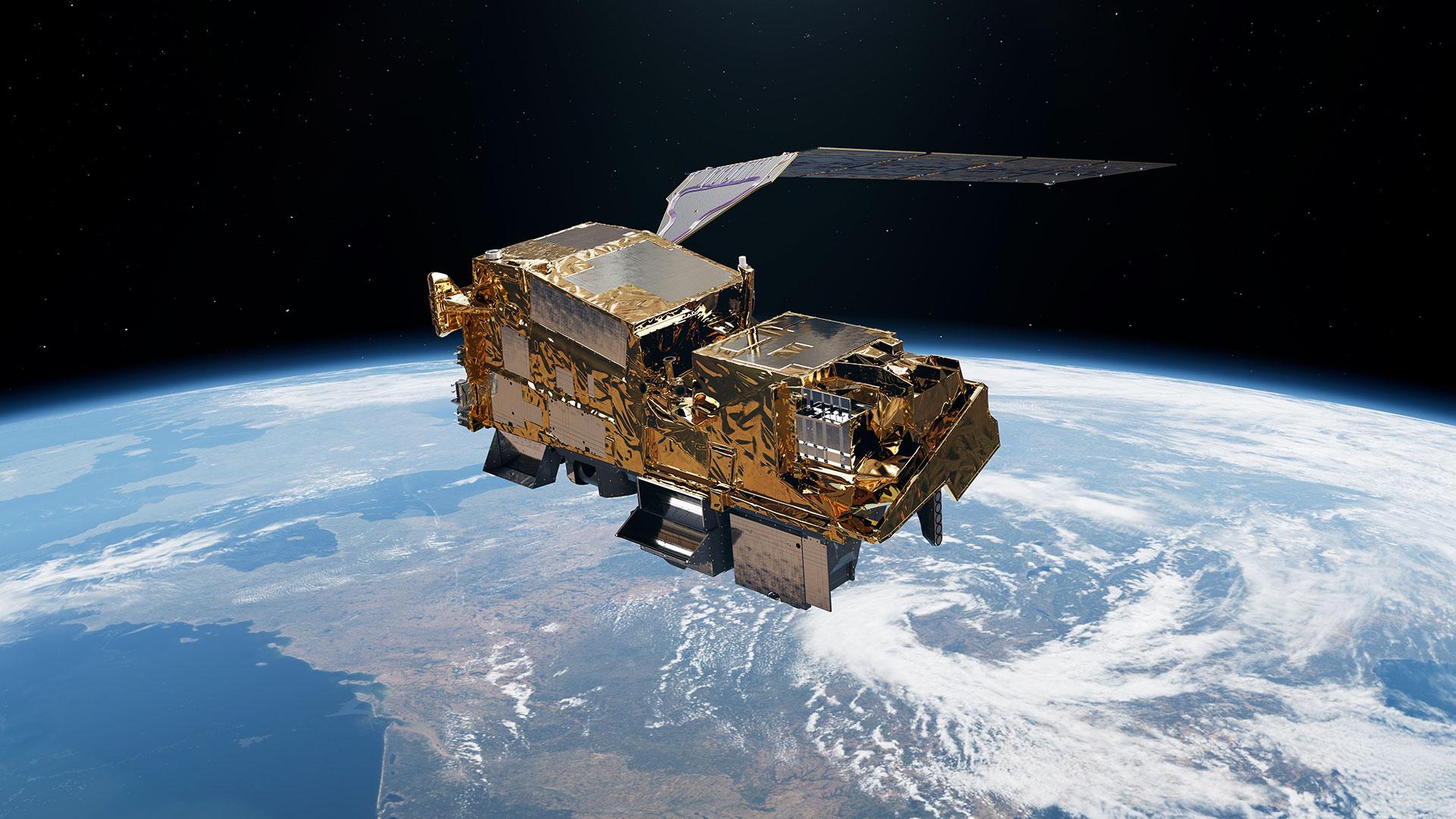
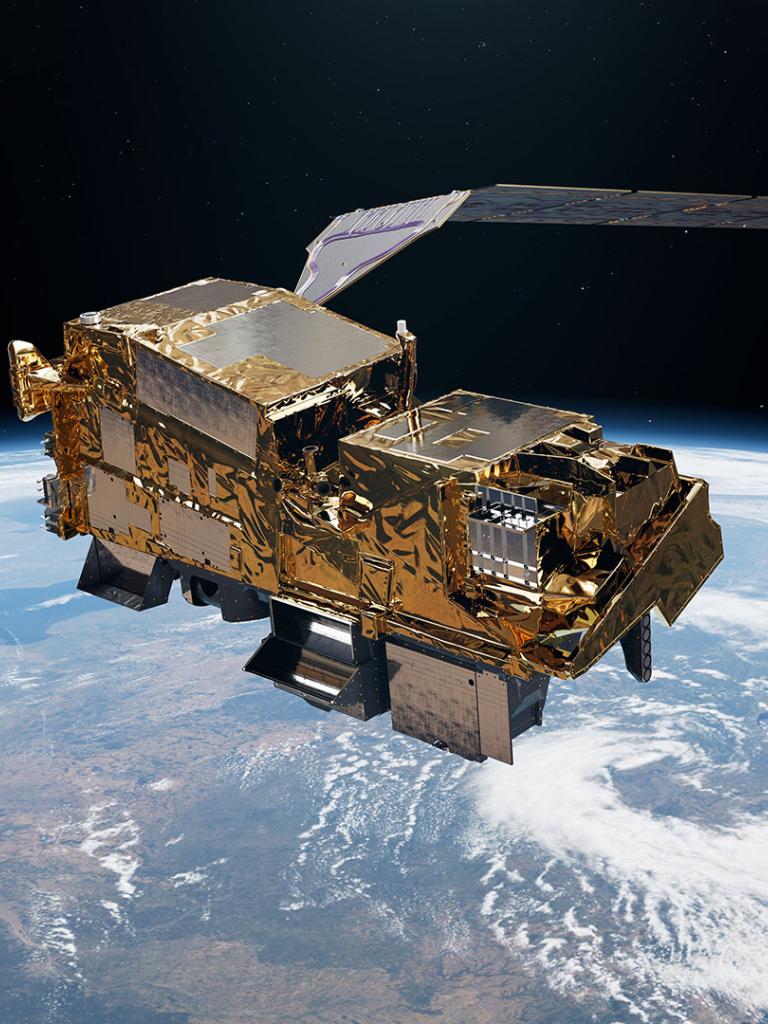
The instrument tracks radio signals from the navigation satellite systems Galileo (Europe), GPS (United States) and BeiDou (China), as they pass through Earth’s atmosphere. By measuring how these signals are refracted, it generates highly accurate vertical profiles of temperature, humidity and electron density, which are key inputs for weather prediction, climate monitoring and space weather applications.
Radio occultation data are highly valued for their precision and long-term stability. They also serve as a reliable reference for other satellite observations, strengthening overall numerical weather prediction models’ performance.
The benefits from Metop-SGA1’s radio occultation sounder are already being seen in operational weather prediction. The European Centre for Medium-Range Weather Forecasts began assimilating the data it provides into its operational systems in March 2026, improving accuracy worldwide.
A second radio occultation sounder will be launched later this year on Metop-SGB1, ensuring the continuity of this important data service while increasing the number of observations and improving coverage and overall system performance.