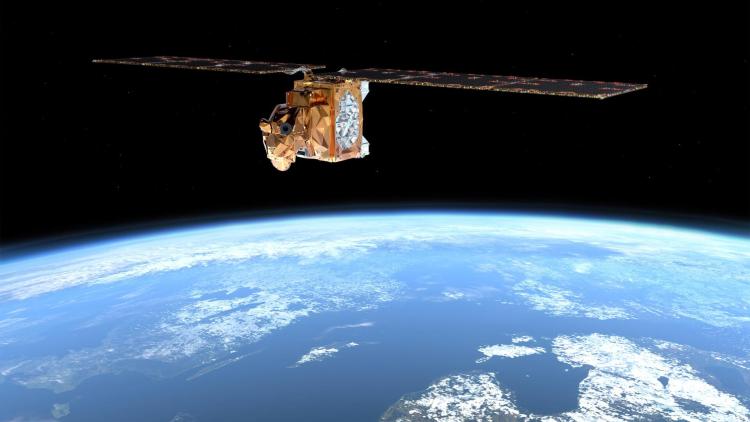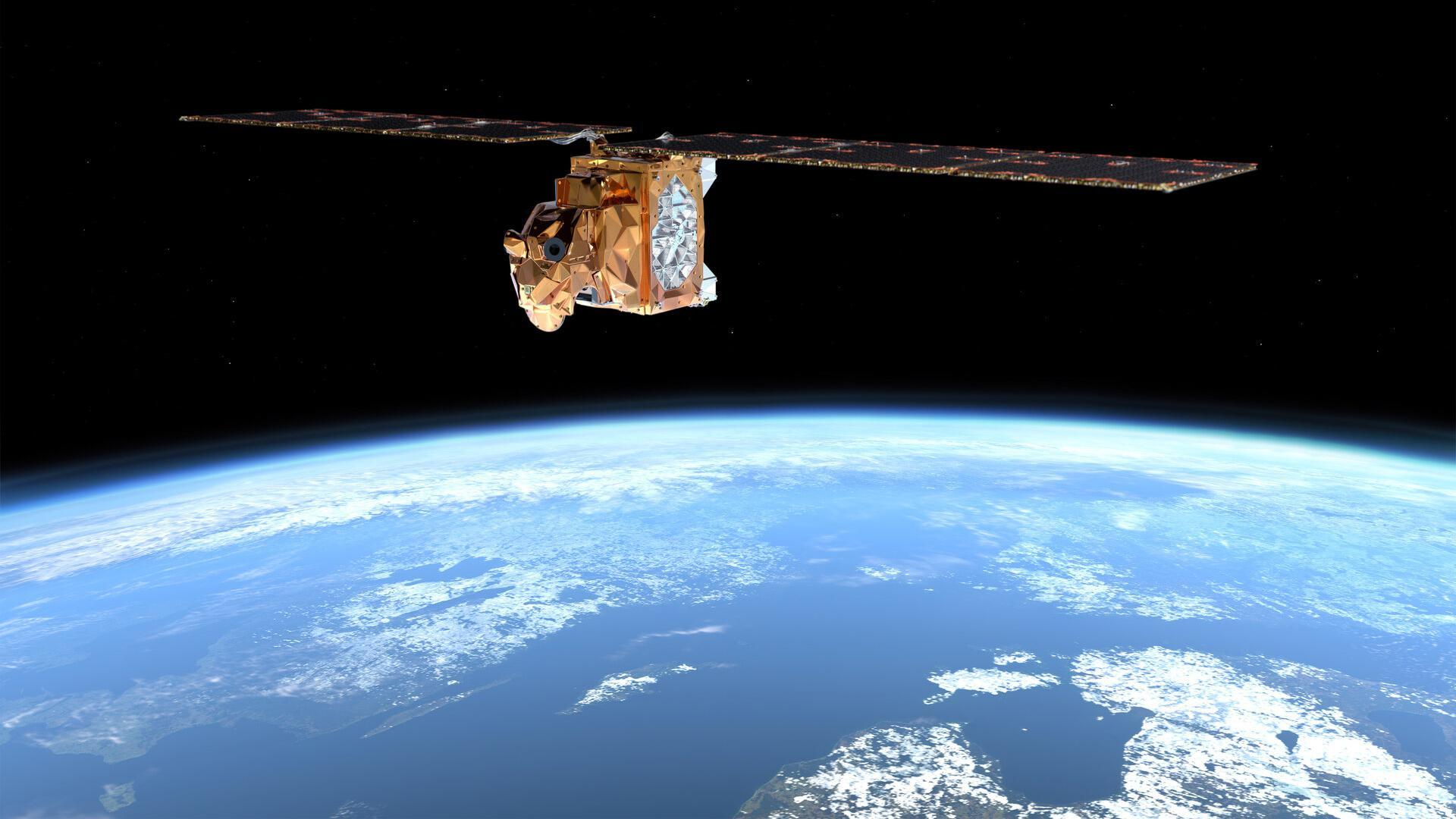
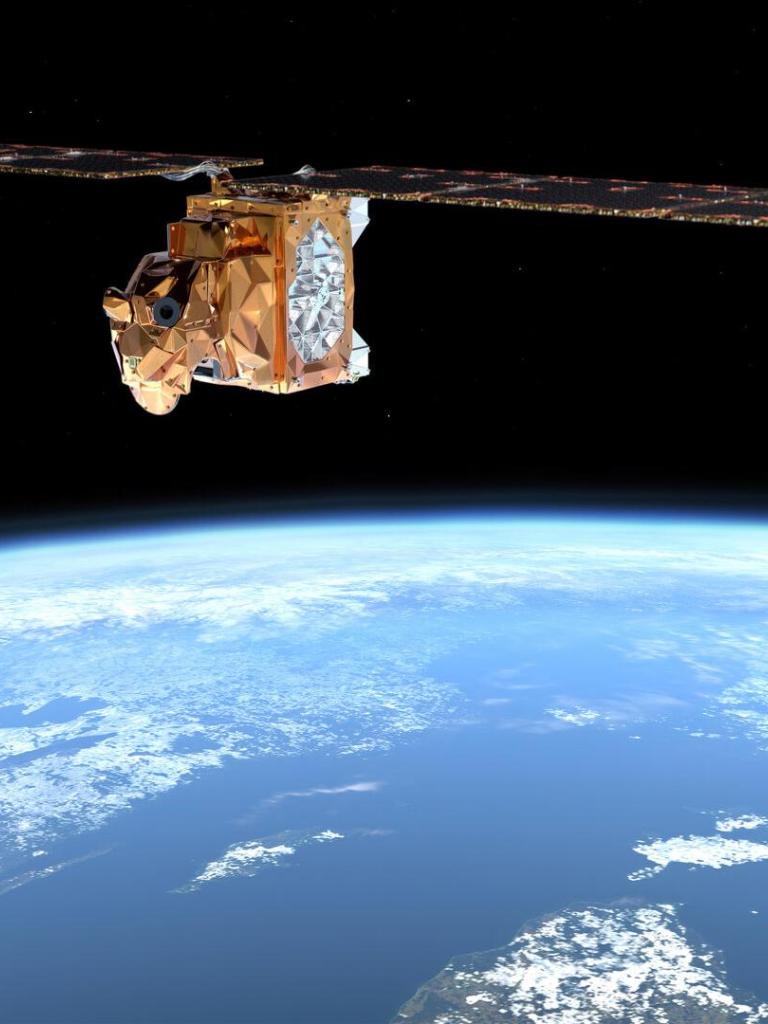
With the latest votes following the 110th session of the EUMETSAT Council, the programme has now secured the support of member states. In total, 29 of EUMETSAT’s 30 member states have backed the programme, confirming EPS-Sterna as a mandatory mission. With these votes, all programme activities will be authorized to start, with the objective to deploy the first satellites of the constellation in 2029.
EPS-Sterna data are projected to provide at least €30 billion in economic value to Europe across the lifetime of the programme, with a benefit-cost ratio of up to 51:1, enabling Europe’s national weather services to improve forecasts and supporting better-informed decisions that save lives, improve resilience and benefit economies.
The near-unanimous approval of the programme follows a comprehensive consultation process that began in 2022.
“Recent years have brought record heatwaves, devastating storms, floods and wildfires across Europe,” said Phil Evans, Director-General of EUMETSAT. “The strong backing from EUMETSAT’s member states shows the critical role EPS-Sterna will play in enabling national meteorological and hydrological services to forecast such events – which will have tremendous benefits for the lives and livelihoods of European citizens. Getting here has taken outstanding dedication from member states and the teams involved and we now look forward to delivering this critical programme together with our partners.”
The first six EPS-Sterna satellites will launch in 2029, and satellites will be replaced over the programme’s operational lifetime, which runs until 2042. The mission will provide observations globally, with most data available within about an hour and the same spot on Earth is revisited in less than three hours – a substantial increase from current polar satellite systems, which typically provide coverage of the same area twice daily. This will improve the frequency of critical observations for predicting severe weather in sensitive areas such as Mediterranean and address critical data gaps over the Arctic – the fastest-heating region on Earth and where many weather systems affecting Europe originate or intensify.
Building on proven technology
EPS-Sterna builds on technology demonstrated by the European Space Agency’s Arctic Weather Satellite (AWS), which has been successfully collecting data since August 2024. These data are already assimilated by national meteorological and hydrological services in EUMETSAT Member States and confirm the benefits which were expected. The satellites use microwave sounders that can measure atmospheric conditions even through cloud, rain and snow – capturing data that instruments measuring visible and infrared radiation cannot.
Impact studies show EPS-Sterna will reduce forecast error by up to 6% across EUMETSAT member states and as much as 9% in the Arctic region – projections now confirmed by data from AWS in orbit. These improvements will lead to better accuracy in predicting storm tracks, precipitation timing and intensity, and temperature extremes.
Each satellite will carry identical advanced microwave sounders but operate in different orbital planes, providing near-global coverage in less than five hours. In total, 20 satellites will be launched over the course of the programme to maintain continuous operations.
The satellites will be procured by EUMETSAT through ESA, and EUMETSAT will develop and manage the ground infrastructure, procure the launchers, commission and operate the constellation, and distribute data through established platforms such as EUMETCast and EUMETView.