EUMETSAT’s top five most-read articles of 2025: Key climate and weather insights
Discover which EUMETSAT weather and climate stories resonated most with readers in 2025
From striking satellite imagery to easily accessible climate information, science roadmaps and new-generation instruments, EUMETSAT’s most-read articles of 2025 highlight the breadth of satellite applications. Together, they illustrate how Earth observation is shaping the future of weather forecasting and climate monitoring.
1. Discover the first images of MTG-I1
On 18 March 2023, the Meteosat Third Generation Imager 1 (MTG-I1) captured its first images, revealing an unprecedented level of detail about the weather over Europe, Africa, and the surrounding waters. And with the launch of the complementary second satellite in the series, Meteosat Third Generation Sounder 1 (MTG-S1), in July 2025, images such as these initial ones from the first satellite will be used to more accurately forecast the complete lifecycle of storms.
Instruments from the cutting-edge geostationary satellite MTG-I1, positioned 36,000km above the Earth, provide weather forecasters with frequent high-resolution observations about clouds, dust, smog, wildfires, the oceans, and more.
Read the article here.
2. Climate services for all
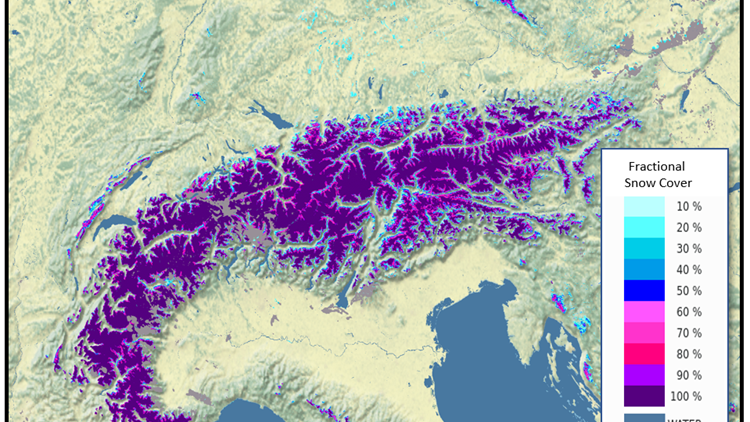
In this article, we highlight three climate services that enable non-experts to access climate data quickly and easily.
One service enables people in Switzerland to find out how much electricity and heat could be produced if photovoltaic panels were placed on roofs or the sides of buildings. The second service allows people to explore heat and cold stress across Europe, and the third makes it possible to better inform people in Switzerland of impending drought. Each service demonstrates how EUMETSAT data contribute to improving the ability to adapt to the changing climate.
Read the article here.
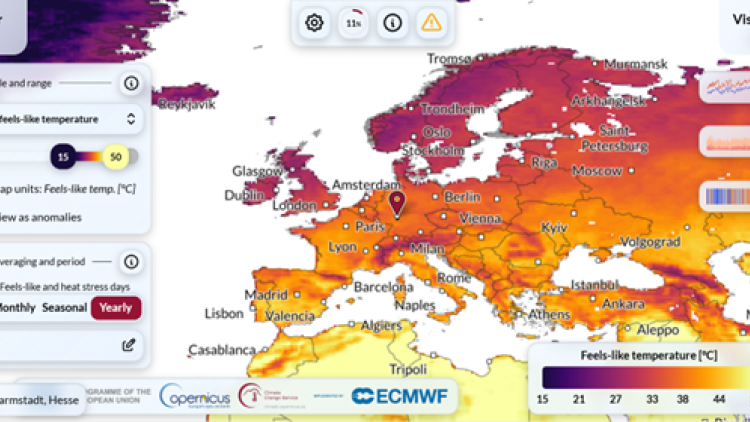
Credit: C3S/ECMWF
3. Our precious atmosphere
On World Meteorology Day last March, we took the opportunity to share some striking images of the atmosphere that reveal its incredible features.
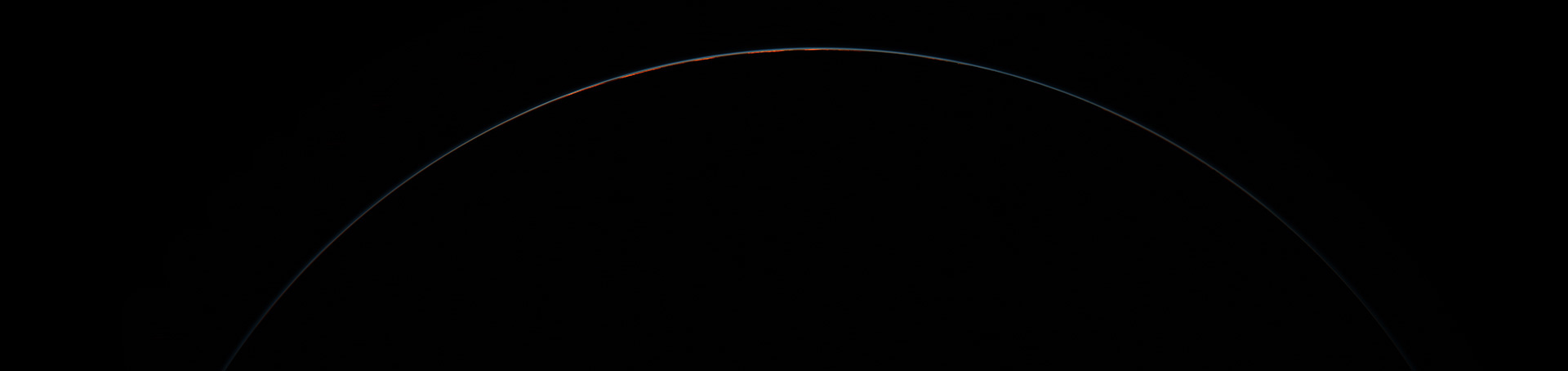
Explore the top of the troposphere – the lowest layer of the atmosphere, where we live – the life-supporting ozone layer, and a stunning autumn sunset through images from the Flexible Combined Imager on board Meteosat-12.
Read the article here.
4. Science on a mission
In May 2025, we highlighted EUMETSAT’s scientific development roadmaps, exciting directions to explore in order to better serve users’ needs.
From atmospheric chemistry to marine applications to cloud products, these roadmaps provide an opportunity to continue essential collaboration with member states, key partners, and more. The head of EUMETSAT’s Remote Sensing and Products Division, Dr Bojan Bojkov illuminates the importance of these roadmaps and explains how they will enable satellite data to benefit people’s lives even more than they already do.
Read the article here.
5. Spotlight on an instrument: IASI-NG
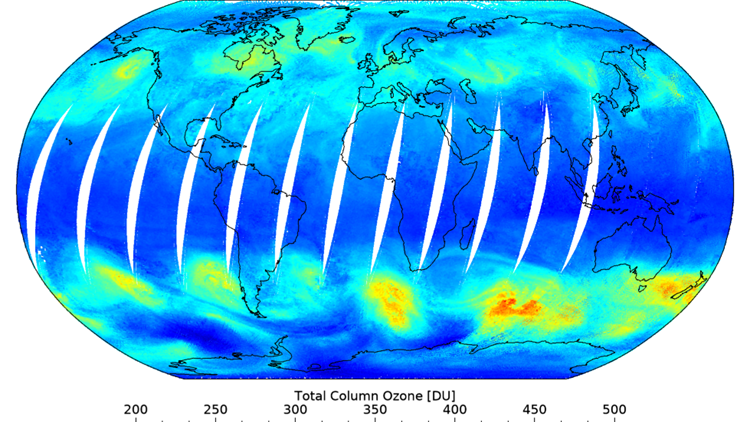
On the occasion of the August 2025 launch of the Metop Second Generation A1 satellite, we took the opportunity to highlight one of its six cutting-edge instruments. The Infrared Atmospheric Sounding Interferometer – New Generation (IASI-NG), a hyperspectral sounder, collects observations about features of the atmosphere, such as temperature and water vapour, as they vary with altitude.
Discover how this instrument will contribute to the improvement of numerical weather prediction models, improve air quality monitoring, and serve a crucial role as a reference mission for calibration.
Read the article here.
Credit: Jonas Wilzewski, Stefan Stapelberg, and Marc Crapeau
Author:
Sarah Puschmann