
MTG-S A Spot

Copernicus Sentinel-4


Monitoring air quality trace gases and aerosols

MTG-S A Spot
MTG-S A Spot

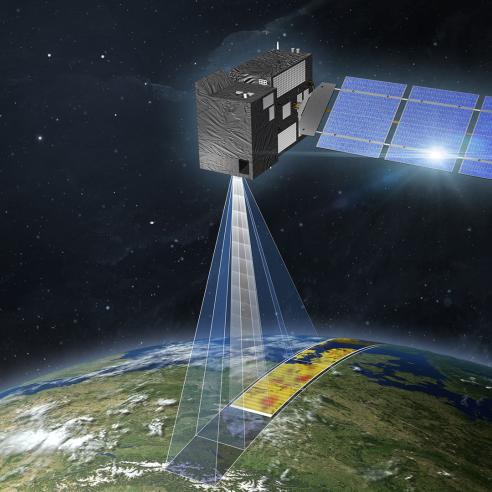
Copernicus Sentinel-4 will monitor air quality, trace gases and aerosols over Europe at high spatial resolution every hour during the day.

Last Updated

09 March 2026

Published on

19 May 2020

Copernicus Sentinel-4 will monitor air quality, trace gases and aerosols over Europe at high spatial resolution every hour during the day.

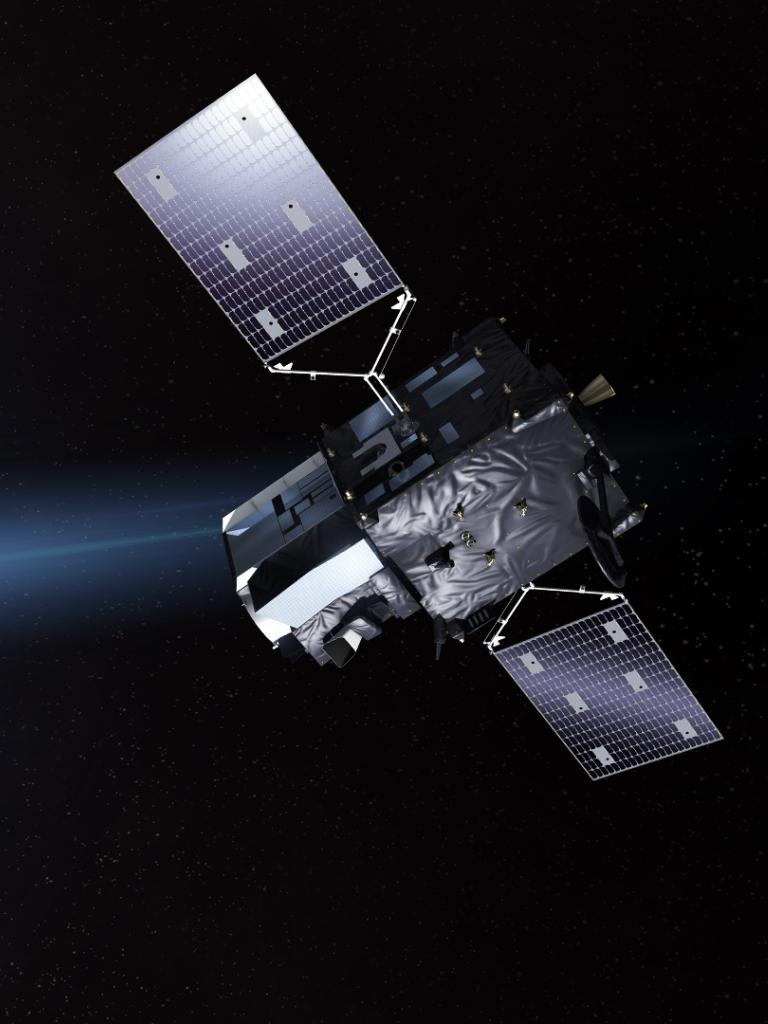
The Sentinel-4 instrument, the Ultraviolet Visible Near-infrared (UVN) spectrometer, is onboard EUMETSAT’s Meteosat Third Generation Sounder satellite (MTG-S), which was launched on 1 July 2025. 

It will work with the onboard InfraRed Sounder (IRS) to monitor ozone, nitrogen dioxide, sulphur dioxide and other trace gases. 

The data will be used by the Copernicus Atmosphere Monitoring Service (CAMS) and will support air quality, pollution and climate monitoring. 
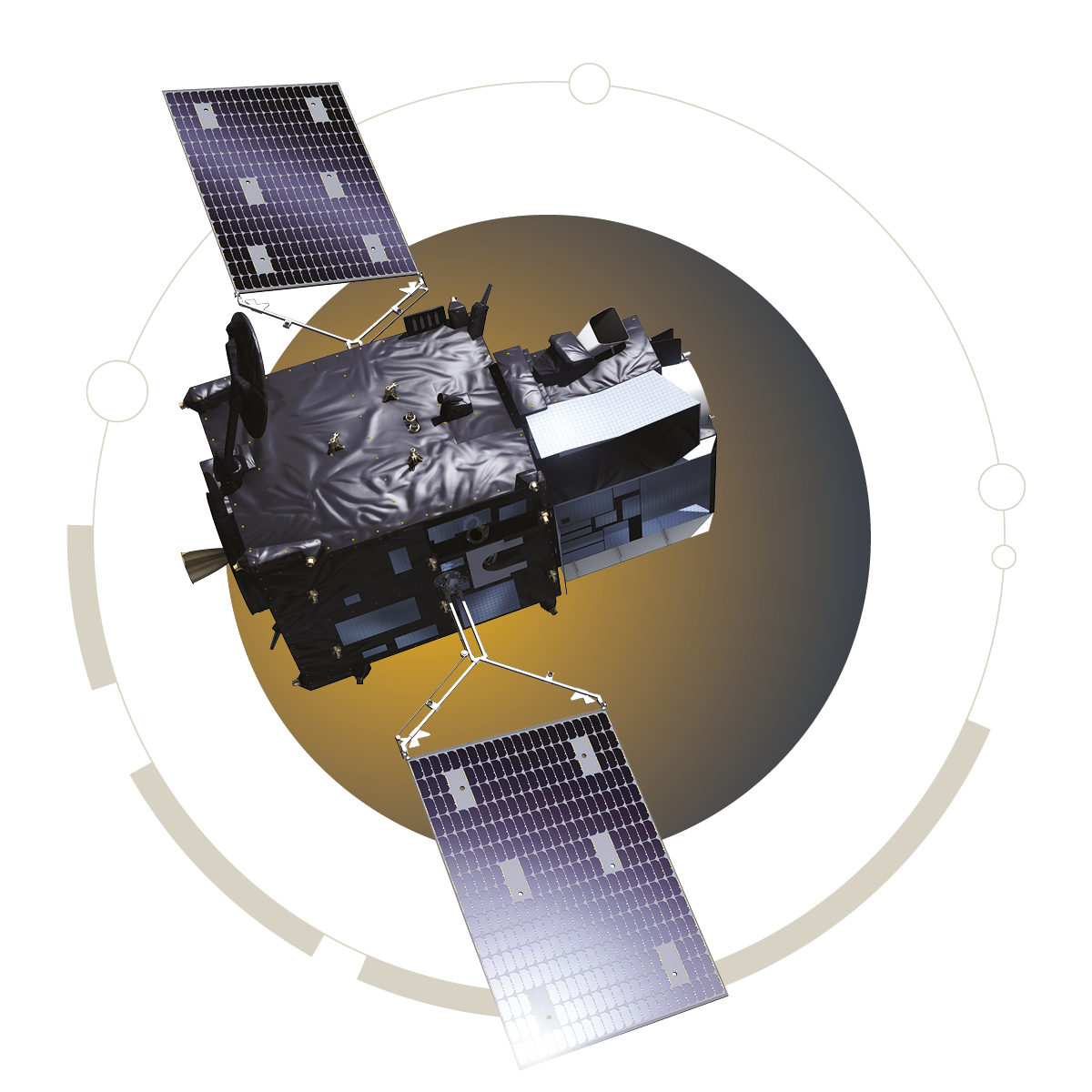
Ultraviolet Visible Near-infrared (UVN)

The UVN is a spectrometer that measures in the ultraviolet (UV: 305–400nm), the visible (VIS: 400–500nm) and the near infrared (NIR: 750–775nm), with a spatial sampling resolution of around 8km.


SO2_S4
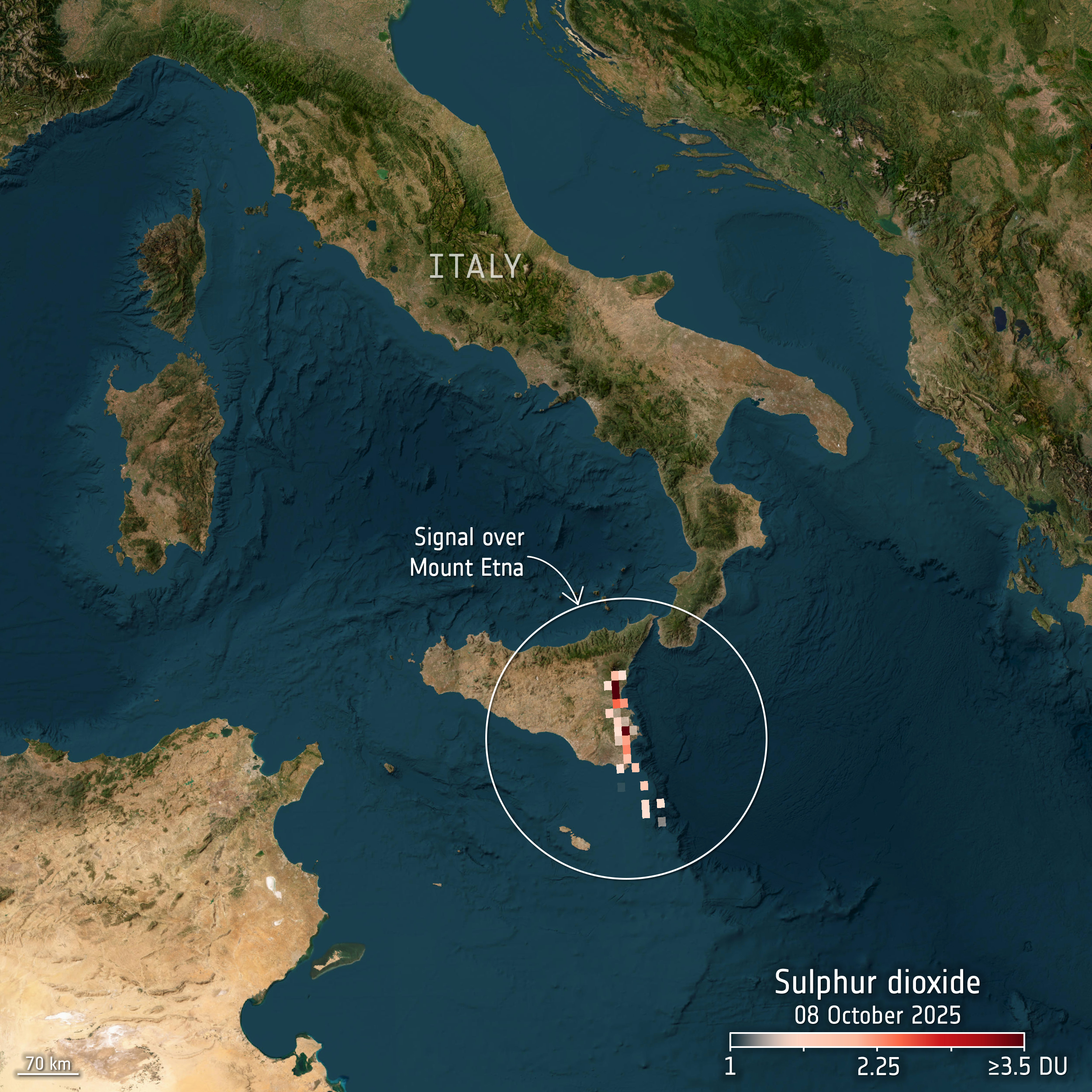
Tropospheric sulphur dioxide (SO2) concentrations over Southern Europe in the lowest 10km of the atmosphere, as seen by Copernicus Sentinel-4 on 8 October 2025. High concentrations can be seen over Sicily, a signature of plumes from Mount Etna. Sulphur dioxide can contribute to health problems including heart and lung disease, and asthma. Some features might be masked by clouds.
Image illustrative and not for operational use.
Credit: Contains modified Copernicus Sentinel data (2025), processed by BIRA/DLR/ESA