Image of the week: Cyclone Gezani
Watching our Earth from space
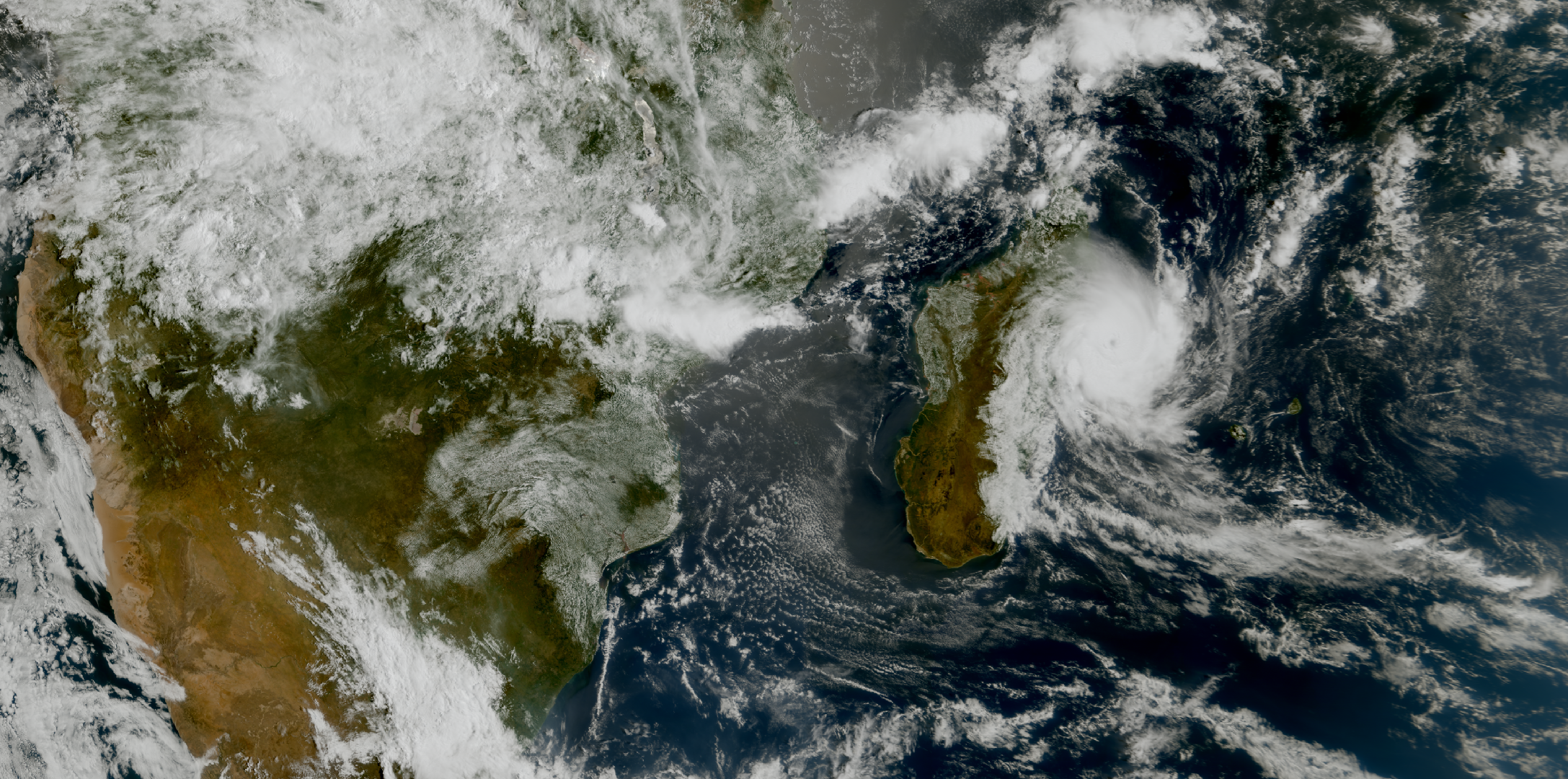
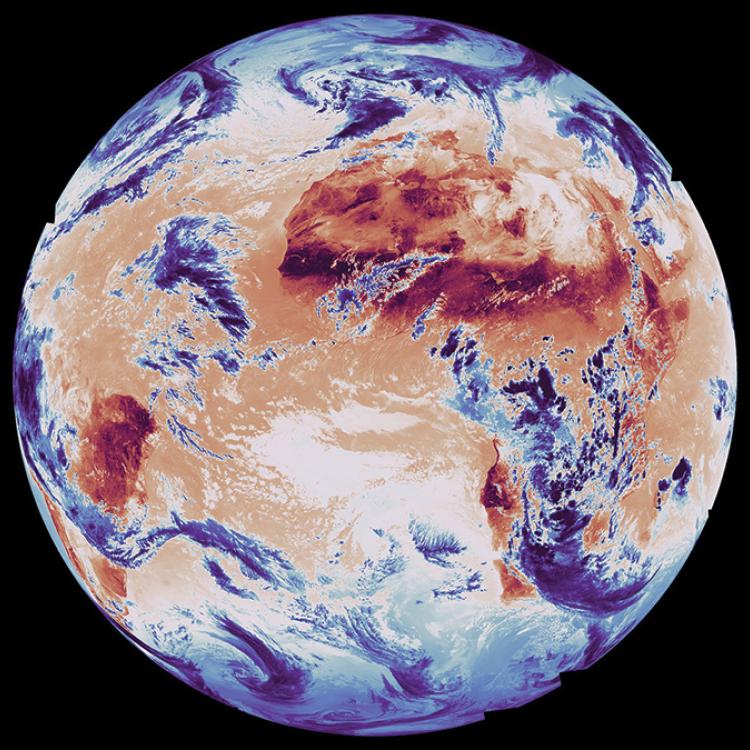
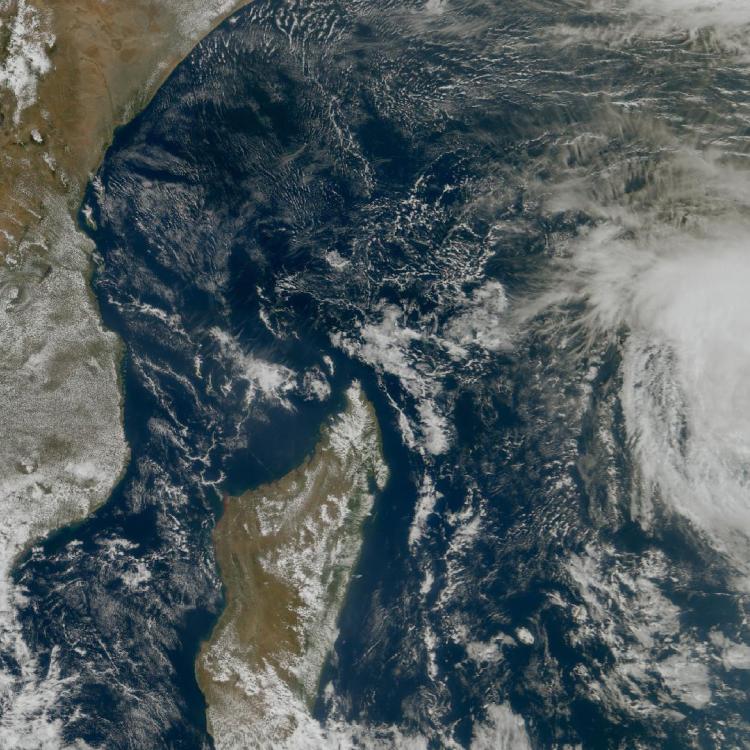
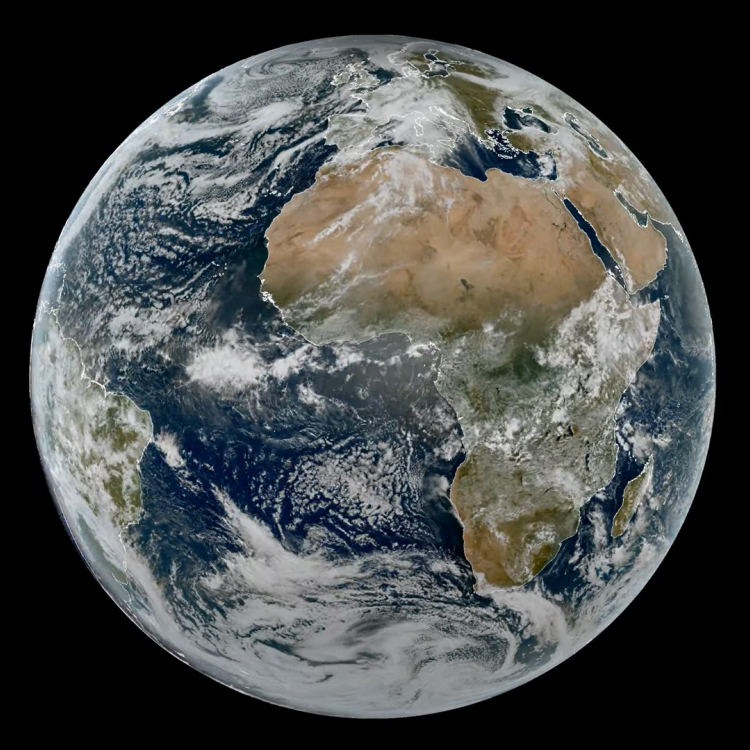
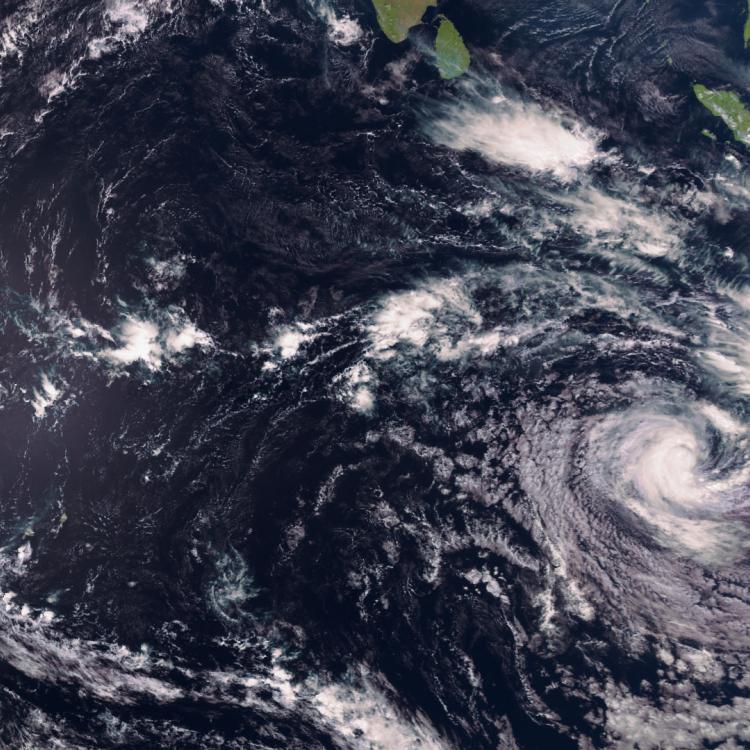
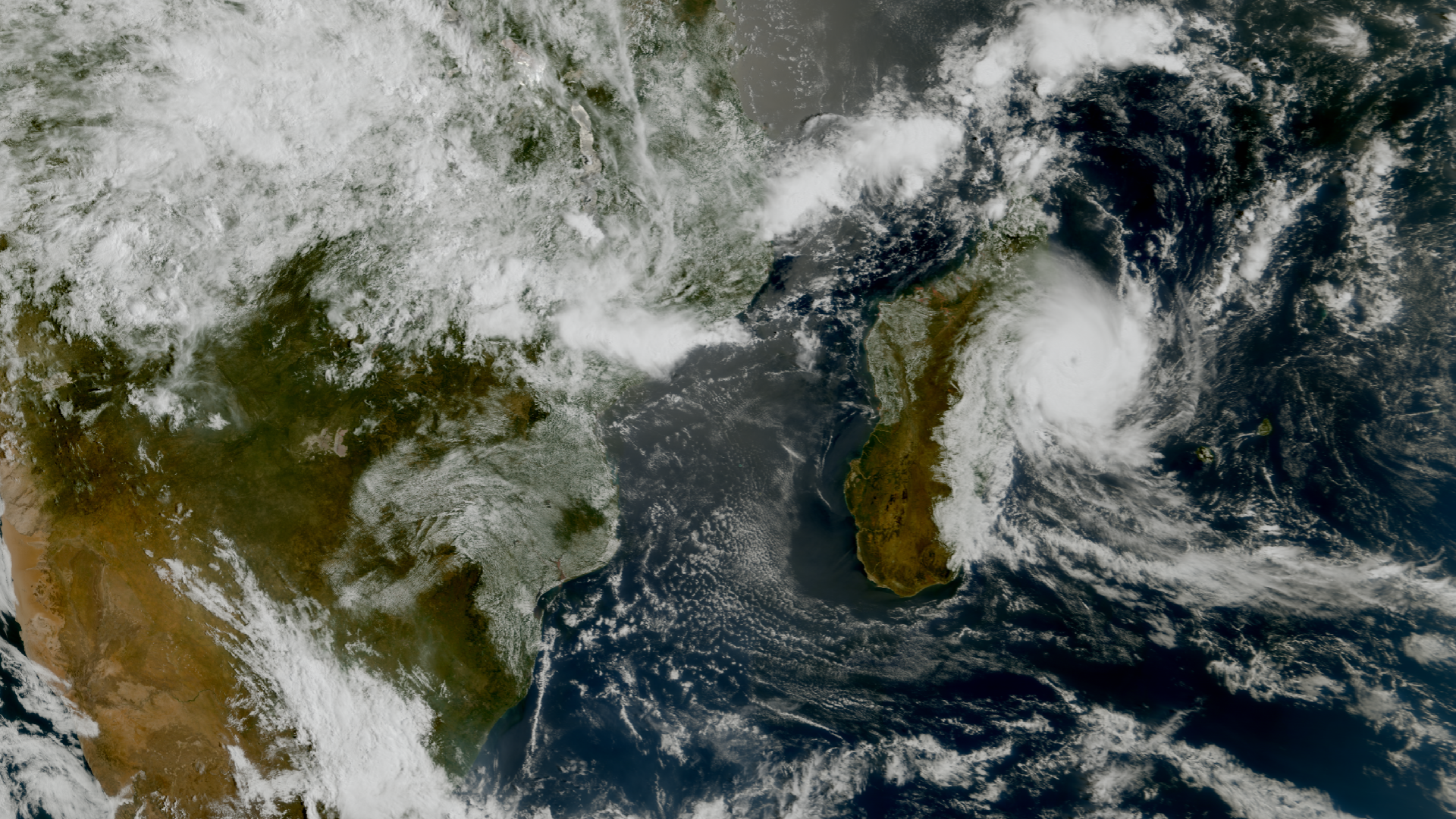
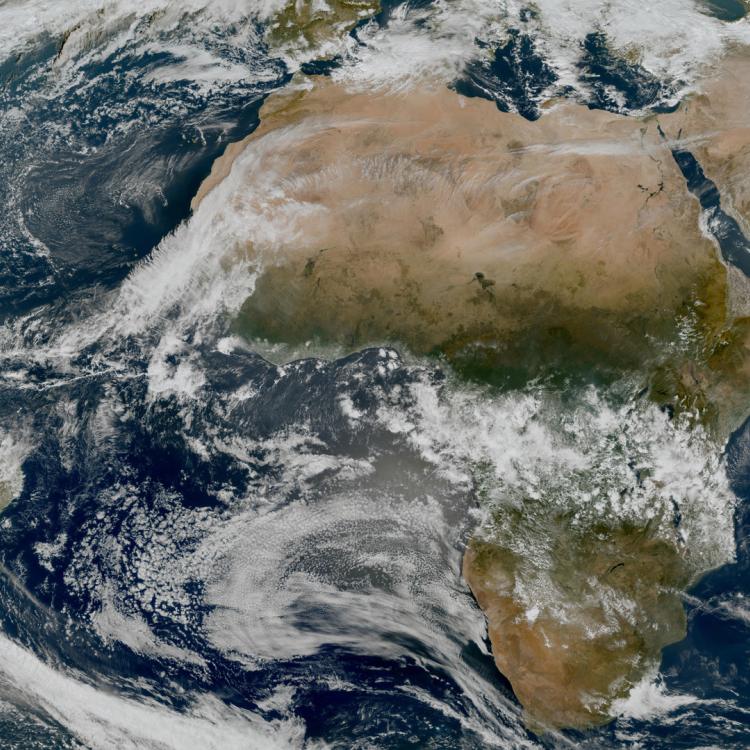
This week’s image is of Cyclone Gezani. The image was captured on 10 February by the Meteosat-12 geostationary weather satellite, 36,000km above the Earth.
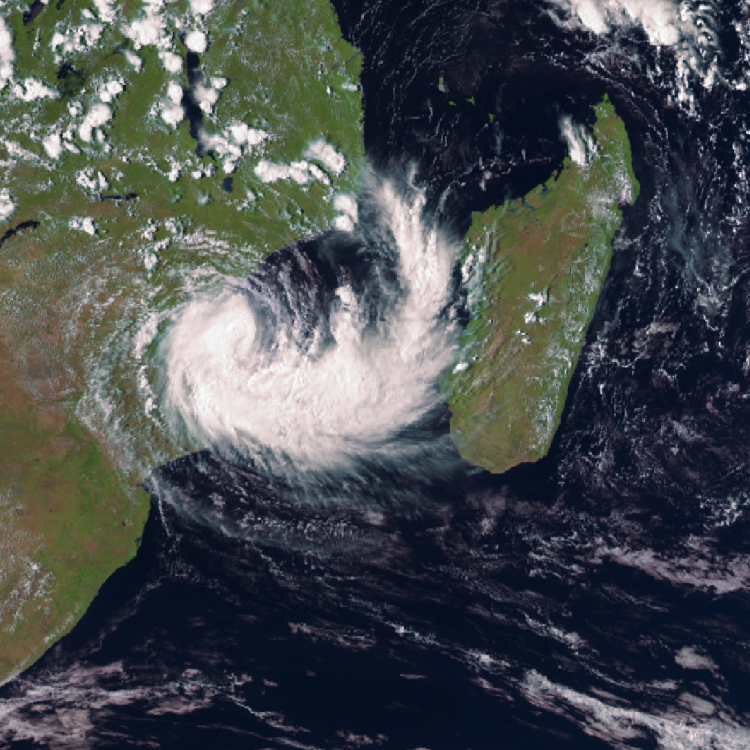
Cyclone Gezani formed in the Indian Ocean and made landfall on the east coast of Madagascar hitting the island’s main port, Toamasina on Tuesday 10 February.
With winds of more than 185 km/h (115 mph) the cyclone caused extensive damage to the city resulting in the displacement of over 31,000 people and at least 31 deaths.
It is the second cyclone to hit Madagascar in 2026, following on from Cyclone Fytia just 10 days earlier.
After passing over Madagascar, the cyclone weakened to a tropical storm and is currently located in the Mozambique Channel (12/02/26).
The progression of the storm can be followed every ten minutes on EUMETView.
Storm image
The main image was captured by the FCI instrument onboard the Meteosat-12 geostationary weather satellite on 10 February 2026.
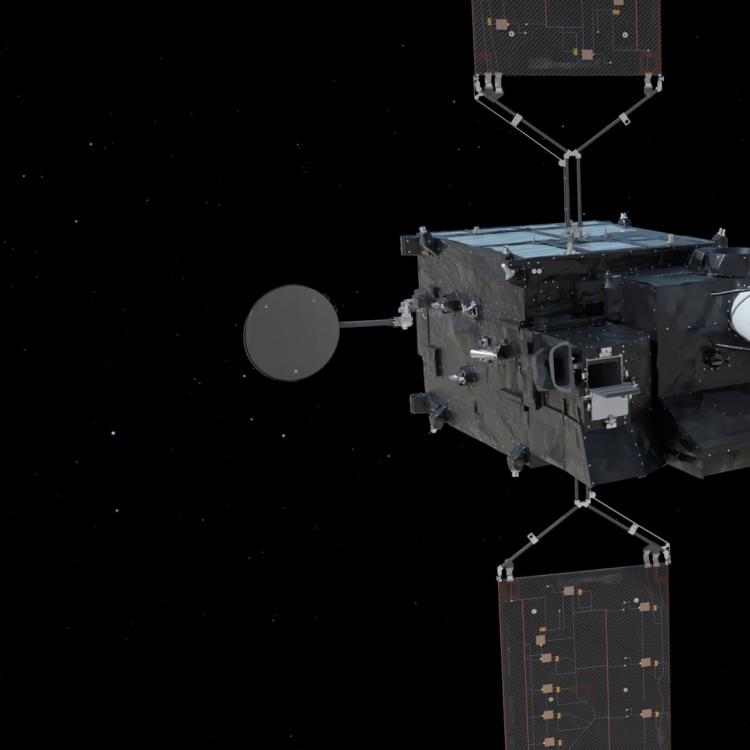
The Meteosat weather satellites provide imagery for the early detection of fast-developing severe weather, weather forecasting and climate monitoring.
More info
Track tropical cyclones in the Indian Ocean
Meteo Madagascar
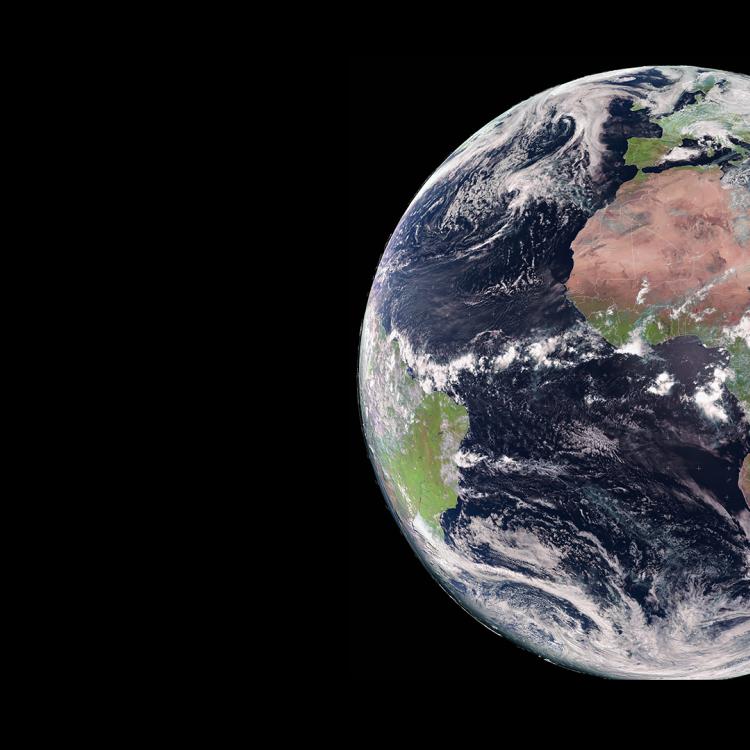
Meteosat weather satellites and Earth view livestream
Monitoring tropical cyclones
Access weather data from the EUMETSAT User Portal